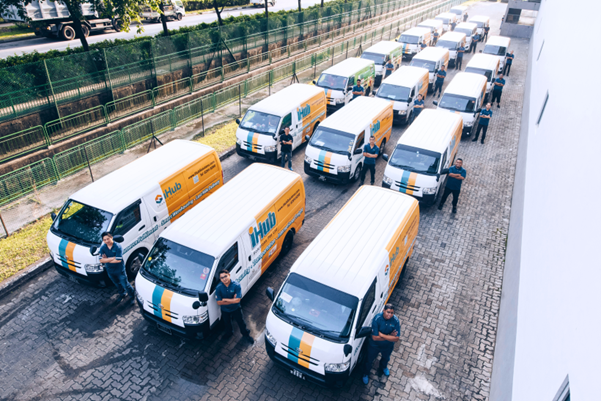
Last Mile Delivery for E-Commerce in 2026 | iHub Solutions
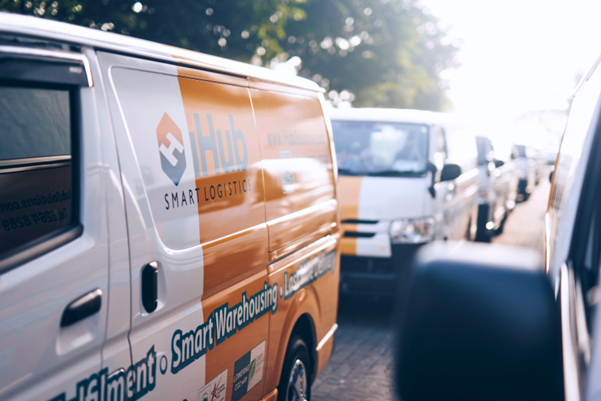
As we approach 2026, the landscape of last mile delivery in e-commerce will undergo a dramatic transformation. With the continued surge in online shopping, managing the final leg of the delivery journey will become more critical for businesses striving to meet customer expectations. Let us explore the key trends that will shape last mile delivery, from the integration of advanced technologies like drones and automation to the evolving challenges such as urban congestion and sustainability concerns. Additionally, we will delve into innovative solutions that companies will adopt to enhance efficiency and drive customer satisfaction.
As the e-commerce sector continues to evolve rapidly, understanding these dynamics will be essential for brands looking to maintain a competitive edge. Join iHub Solutions as they navigate the future of last mile delivery, uncovering how companies can adapt and thrive in this ever-changing environment.
The concept of last mile delivery refers to the final step in the delivery process where a package is transported from a distribution center or warehouse to the end customer’s doorstep. This stage is crucial as it directly impacts customer satisfaction and overall delivery efficiency. In the context of e-commerce, last mile delivery will continue to grow in importance due to the rapid growth of online shopping, which has led to increased consumer expectations for fast and reliable delivery services.
Effective last mile delivery requires careful coordination and logistics management. It involves various factors such as route optimization, real-time tracking, and efficient handling of customer interactions. Companies must ensure that their delivery operations are seamless and meet the high standards set by consumers. Failure to do so can result in negative customer experiences, which can harm a brand’s reputation and lead to lost business opportunities.
As we move towards 2026, the importance of last mile delivery in e-commerce will continue to rise. Businesses will need to adopt innovative strategies and leverage advanced technologies to stay ahead of the competition. This includes exploring new delivery methods, enhancing operational efficiency, and addressing the unique challenges that come with urban environments. By doing so, companies can ensure that they meet the evolving needs of their customers and maintain a competitive edge in the fast-paced world of e-commerce.
One of the key trends that will shape last mile delivery in 2026 is the increasing use of autonomous delivery vehicles. Companies are expected to invest in self-driving vans, robots, and drones to streamline the delivery process and reduce reliance on human labor. These autonomous solutions will offer several benefits, including reduced delivery times, lower operational costs, and enhanced safety. As technology continues to advance, we can expect to see more widespread adoption of autonomous delivery vehicles in the coming years.
Another significant trend will be the rise of on-demand delivery services. Consumers will continue to demand faster delivery options, and businesses are likely to respond by offering same-day or even hourly delivery services. This trend will be driven by the need for convenience and the desire to receive products as quickly as possible. To meet these demands, companies will rely on advanced logistics management systems and real-time data analytics to optimize their delivery networks and ensure timely deliveries.
Sustainability will also remain as a major trend in last mile delivery. With growing awareness of environmental issues, both consumers and businesses will place greater emphasis on eco-friendly delivery practices. This includes the use of electric vehicles, bike couriers, and other green transportation methods. Additionally, companies will explore ways to reduce packaging waste and improve the overall sustainability of their delivery operations. By adopting sustainable practices, businesses can not only meet regulatory requirements but also enhance their brand image and appeal to environmentally conscious customers.
Innovation is at the heart of improving last mile delivery efficiency. One of the most promising innovations is the use of artificial intelligence (AI) and machine learning to optimize delivery routes. AI-powered systems can analyze vast amounts of data, including traffic patterns, weather conditions, and customer preferences, to determine the most efficient delivery routes. This will reduce delivery times and minimize fuel consumption and operational costs.
Another innovative approach is the use of smart lockers and pickup points. Instead of delivering packages directly to customers' homes, companies can utilize strategically placed lockers or pickup points where customers can collect their orders at their convenience. This not only reduces the number of failed delivery attempts but also allows for more efficient route planning. Smart lockers can be integrated with advanced security systems and real-time tracking, ensuring that packages are safe and customers are informed about the status of their deliveries.
Automation is also playing a crucial role in enhancing last mile delivery efficiency. Automated sorting and packing systems can significantly speed up the processing of orders in warehouses and distribution centers. Additionally, the use of drones for delivery in remote or hard-to-reach areas is gaining traction. Drones can bypass traffic congestion and deliver packages quickly and efficiently. As regulations around drone deliveries continue to evolve, we can expect to see more widespread adoption of this technology in the future.
Singapore, with its dense urban environment and high population density, presents unique challenges for last mile delivery in e-commerce. One of the primary challenges is traffic congestion, which can significantly impact delivery times and increase operational costs. Navigating through busy streets and finding parking spaces in crowded areas can be time-consuming and inefficient for delivery drivers. Companies will need to explore innovative solutions to overcome these challenges and ensure timely deliveries.
Another challenge is the limited availability of delivery personnel. The demand for e-commerce deliveries has surged, leading to a shortage of skilled delivery drivers. This is further compounded by the high cost of labor in Singapore. To address this issue, companies will increasingly turn to automation and technology-driven solutions such as autonomous delivery vehicles and drones. These innovations can help reduce the dependency on human labor and improve overall delivery efficiency.
Additionally, the high expectations of Singaporean consumers pose a challenge for last mile delivery. Customers in Singapore expect fast and reliable delivery services, with real-time tracking and flexible delivery options. Meeting these expectations will require robust logistics management systems and advanced technology integration. Companies will need to invest in state-of-the-art infrastructure and continuously innovate to stay ahead of the competition and meet the demands of discerning consumers.
Technology plays a pivotal role in enhancing last mile delivery by enabling greater efficiency, accuracy, and customer satisfaction. One of the key technological advancements is the use of real-time tracking and monitoring systems. These systems provide customers with up-to-the-minute information about the status of their deliveries, including estimated arrival times and real-time location tracking. This transparency enhances customer trust and allows for better planning and coordination.
Another critical technology is route optimization software. By leveraging advanced algorithms and data analytics, companies can optimize delivery routes to minimize travel time and fuel consumption. Route optimization not only improves delivery efficiency but also reduces operational costs and carbon emissions. Additionally, predictive analytics can be used to anticipate potential delays and proactively address issues, ensuring that deliveries are made on time.
The integration of the Internet of Things (IoT) is also revolutionizing last mile delivery. IoT-enabled devices, such as smart sensors and connected vehicles, provide real-time data on various aspects of the delivery process. This data can be used to monitor package conditions, track vehicle performance, and ensure compliance with delivery standards. IoT technology enhances visibility and control, allowing companies to make data-driven decisions and improve overall delivery performance.
Consumer expectations are evolving rapidly, and their impact on delivery services cannot be overstated. In the age of instant gratification, customers expect fast, reliable, and convenient delivery options. Same day delivery and next day delivery services are becoming the norm, and companies will need to adapt to meet these demands. Businesses that fail to provide timely and efficient delivery services risk losing customers to competitors who can meet their expectations.
Transparency and communication are also critical aspects of consumer expectations. Customers want to be informed about the status of their deliveries at every stage of the process. This includes receiving notifications about shipment updates, estimated delivery times, and any potential delays. Companies will need to invest in robust communication systems and real-time tracking technologies to keep customers informed and engaged throughout the delivery journey.
Flexibility is another key expectation of modern consumers. Customers want the ability to choose delivery options that suit their schedules and preferences. This includes options such as delivery time slots, alternative delivery locations, and the ability to reschedule deliveries. Offering flexible delivery options not only enhances customer satisfaction but also reduces the likelihood of failed delivery attempts. Companies will need to prioritize flexibility and customization in their delivery services to meet the diverse needs of their customers.
Sustainability is becoming a crucial consideration in last mile delivery as businesses and consumers become more environmentally conscious. One of the primary ways companies are addressing sustainability is through the use of electric vehicles (EVs). EVs produce zero emissions, making them an eco-friendly alternative to traditional delivery vehicles. By transitioning to electric fleets, companies will significantly reduce their carbon footprint and contribute to environmental conservation.
Another sustainable practice is the implementation of green delivery options. This includes using bike couriers, pedestrian couriers, and public transportation for deliveries in urban areas. These methods not only reduce emissions but also alleviate traffic congestion. Additionally, companies are exploring the use of eco-friendly packaging materials and minimizing packaging waste. Sustainable packaging solutions such as biodegradable materials and reusable containers are gaining popularity and will reduce the environmental impact of delivery operations.
Companies are also focusing on optimizing delivery routes to reduce fuel consumption and emissions. Advanced route optimization software can identify the most efficient delivery paths, minimizing travel distances and time. This not only enhances delivery efficiency but also reduces the environmental impact of transportation. By adopting sustainable practices, businesses can align with consumer values, meet regulatory requirements, and contribute to a greener future.
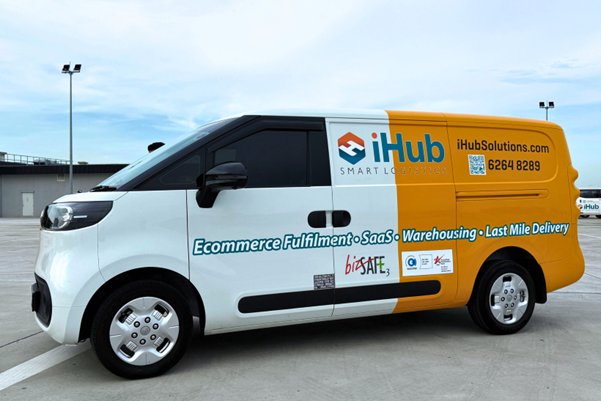
As we look towards the future of last mile delivery, several predictions can be made based on current trends and technological advancements. One of the key predictions is the increased use of autonomous delivery vehicles. Self-driving vans, robots, and drones will become more prevalent, revolutionizing the delivery process. These autonomous solutions will enhance efficiency, reduce operational costs, and improve delivery times, ultimately transforming the last mile delivery landscape.
Another prediction is the rise of hyperlocal delivery networks. Companies will establish decentralized distribution centers and micro-fulfillment hubs closer to urban areas. This will enable faster and more efficient deliveries, reducing the distance and time required to reach customers. Hyperlocal delivery networks will also facilitate the implementation of on-demand delivery services, meeting the growing demand for instant gratification.
The integration of advanced technologies such as AI, IoT, and blockchain will further enhance last mile delivery. AI-powered systems will optimize route planning, predictive analytics will anticipate delivery challenges, and IoT-enabled devices will provide real-time data for monitoring and control. Blockchain technology will enhance transparency and security in the delivery process, ensuring the integrity of transactions and reducing the risk of fraud. These technologies will collectively drive innovation and efficiency in last mile delivery.
As the e-commerce landscape continues to evolve, businesses must prepare for the future of last mile delivery to stay competitive. iHub Solutions is at the forefront of this transformation, offering innovative and customized logistics solutions to meet the unique needs of e-commerce companies. With a focus on technology-driven efficiency and customer-centric services, iHub Solutions is well-positioned to navigate the challenges and opportunities of last mile deliveries.
iHub Solutions leverages advanced technology to optimize delivery operations. Their state-of-the-art logistics management systems integrate AI, real-time tracking, and route optimization to ensure timely and efficient deliveries. By harnessing the power of technology, iHub Solutions can provide customers with accurate delivery information, enhance transparency, and improve overall satisfaction. Their commitment to innovation ensures that they stay ahead of the curve in the fast-paced world of e-commerce deliveries.
In addition to technology, iHub Solutions places a strong emphasis on sustainability. They are committed to reducing their environmental impact by adopting eco-friendly practices such as using electric vehicles and sustainable packaging materials. By prioritizing sustainability, iHub Solutions not only meets regulatory requirements but also aligns with the values of environmentally conscious consumers. Their dedication to sustainable practices sets them apart as a responsible and forward-thinking logistics provider.
As we approach 2026, iHub Solutions is prepared to lead the way in last mile deliveries. Their comprehensive logistics solutions, combined with a focus on technology and sustainability, positions them as a trusted partner for e-commerce companies looking to enhance their delivery operations. By staying ahead of trends, embracing innovation, and meeting the evolving needs of customers, iHub Solutions is poised to shape the future of last mile delivery in e-commerce.