Top Fashion eCommerce Fulfillment | Warehouse Fulfillment
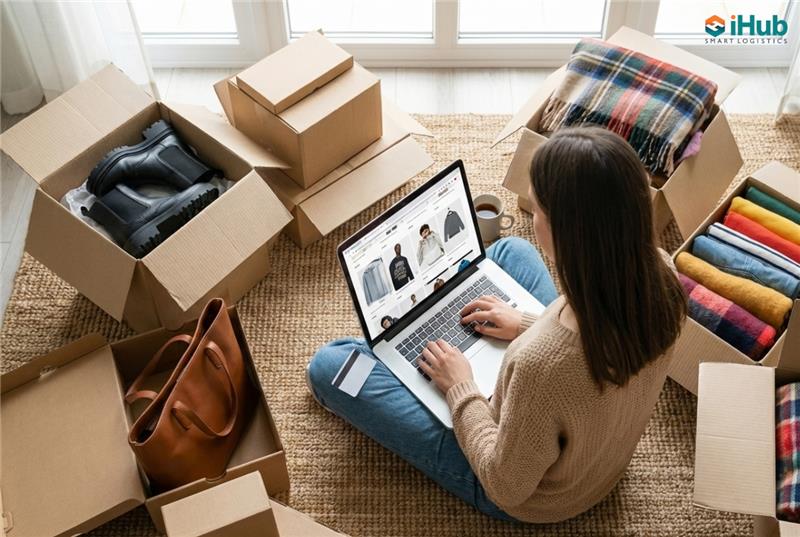
In the fast-paced world of fashion eCommerce, efficiency is the name of the game. Nowadays, the pressure to meet consumer demands while streamlining operations has never been greater. With trends evolving rapidly and customer expectations soaring, choosing the right fulfillment options can make or break your online fashion business. Whether you are a budding designer or an established retailer, understanding the latest fulfillment strategies is essential to stay ahead of the competition. From automated warehouses to third-party logistics, discover the top fashion eCommerce fulfillment options that can supercharge your efficiency and enhance customer satisfaction. By implementing the right strategies, you can ensure that your business not only keeps up with the trends but sets the pace for what is to come. Let us dive into the future of fashion fulfillment!
Fashion eCommerce is a dynamic and rapidly evolving sector that requires a robust fulfillment strategy to maintain competitiveness. At its core, fulfillment encompasses the entire process of receiving, processing, and delivering orders to customers. This includes inventory management, order processing, packaging, shipping, and handling returns. For fashion brands, which often deal with high volumes of orders and frequently changing inventories, efficient fulfillment is crucial to meeting customer expectations and maintaining brand reputation.
In the context of fashion eCommerce, fulfillment is not just about getting products to customers on time; it also involves ensuring that the correct items are delivered in the right condition. This is particularly challenging given the nature of fashion products, which can include a wide range of sizes, colors, and styles. Any errors in this process can lead to customer dissatisfaction and increased return rates, which can be costly for the business.
Moreover, the fashion industry is characterized by seasonality and rapidly changing trends. This means that fulfillment strategies must be flexible and scalable to accommodate fluctuations in demand. An efficient fulfillment process can help fashion brands respond quickly to market changes, launch new collections seamlessly, and maintain high levels of customer satisfaction. In essence, a well-executed fulfillment strategy is a key driver of success in the competitive world of fashion eCommerce.
Efficient fulfillment is the backbone of a successful fashion eCommerce business. In today's fast-paced market, customers expect quick and reliable delivery, and any delays or errors can significantly impact their shopping experience. Meeting these expectations requires a fulfillment process that is both fast and accurate, ensuring that customers receive their orders on time and as expected.
Efficiency in fulfillment also directly affects a brand's bottom line. Streamlined operations can reduce costs associated with storage, shipping, and returns. For fashion brands, which often operate on thin margins, these savings can be substantial. Additionally, an efficient fulfillment process can improve inventory management, reducing the risk of overstocking or stockouts, and ensuring that the latest trends are always available to customers.
Beyond cost savings and customer satisfaction, efficient fulfillment can also enhance a brand's reputation. In the fashion industry, where brand loyalty is paramount, consistently delivering a positive shopping experience can foster long-term customer relationships. This is particularly important in the age of social media, where customer reviews and word-of-mouth can significantly influence a brand's image. By prioritizing efficient fulfillment, fashion brands can build trust and loyalty, setting themselves apart from the competition.
Running a fashion business on eCommerce platforms comes with its own set of challenges. One of the primary issues is managing the vast and diverse inventory. Fashion products come in various sizes, colors, and styles, making inventory management complex. Keeping track of stock levels, ensuring availability of popular items, and managing seasonal inventory changes require a sophisticated system and meticulous attention to detail.
Another significant challenge is handling returns and exchanges. Fashion products often have high return rates due to issues such as sizing discrepancies, color variations, and changing customer preferences. Managing these returns efficiently is crucial to maintaining customer satisfaction and minimizing losses. A well-organized returns process can help mitigate the impact of returns on the business, but it requires careful planning and execution.
Moreover, fashion eCommerce businesses must navigate the complexities of global shipping. Customers expect fast and affordable delivery, regardless of their location. This means dealing with various shipping carriers, customs regulations, and potential delays. Ensuring timely delivery while keeping shipping costs under control is a delicate balancing act that requires strategic planning and partnerships with reliable logistics providers.
For fashion eCommerce businesses, partnering with a specialized fulfillment service can be a game-changer. These services offer expertise and infrastructure that can streamline operations and improve efficiency. By outsourcing fulfillment, fashion brands can focus on their core competencies, such as design, marketing, and customer engagement, while leaving the logistics to the experts.
A professional fulfillment service can provide advanced inventory management solutions. This includes real-time tracking of stock levels, automated restocking alerts, and optimized storage solutions. These capabilities can help fashion brands maintain optimal inventory levels, reduce the risk of stockouts or overstocking, and ensure that popular items are always available to customers.
Furthermore, fulfillment services can offer scalable solutions that can grow with the business. As a fashion brand expands, its fulfillment needs will also evolve. A specialized fulfillment service can provide the flexibility to scale operations up or down based on demand, ensuring that the business can handle peak seasons, new product launches, and market expansions without compromising on efficiency.
Choosing the right fulfillment option is crucial for the success of a fashion eCommerce business. There are several fulfillment strategies available, each with its own advantages and challenges. Understanding these options can help fashion brands select the best approach to meet their specific needs and goals.
One common fulfillment option is self-fulfillment, where the business manages all aspects of the fulfillment process in-house. This approach provides complete control over operations but can be resource-intensive and challenging to scale. For smaller businesses or those with niche products, self-fulfillment can be a viable option, but it requires significant investment in infrastructure and manpower.
Another popular option is partnering with third-party logistics (3PL) providers. These companies offer comprehensive fulfillment services, including warehousing, order processing, packaging, and shipping. By leveraging the expertise and infrastructure of a 3PL provider, fashion brands can streamline their operations, reduce costs, and improve efficiency. This option is particularly beneficial for busineses looking to scale quickly or expand into new markets.
Dropshipping is another fulfillment strategy that has gained popularity in recent years. In this model, the retailer does not keep inventory in stock. Instead, when a customer places an order, the retailer purchases the item from a third party, who then ships it directly to the customer. This approach eliminates the need for inventory management and can reduce upfront costs, but it requires careful selection of reliable suppliers to ensure product quality and timely delivery.
Self-fulfillment, also known as in-house fulfillment, involves managing all aspects of the fulfillment process within the business. This includes inventory management, order processing, packaging, and shipping. For fashion eCommerce businesses, self-fulfillment offers complete control over the entire process, allowing them to maintain high standards of quality and customer service.
One of the main advantages of self-fulfillment is the ability to customize the fulfillment process to meet specific business needs. Fashion brands can implement personalized packaging, branded inserts, and other unique touches that enhance the customer experience. This level of customization can help build a strong brand identity and foster customer loyalty.
However, self-fulfillment also comes with its challenges. Managing fulfillment in-house requires significant investment in infrastructure, such as warehousing space, equipment, and technology. Additionally, it demands a dedicated team to handle various tasks, from inventory management to shipping. For smaller businesses or those with limited resources, these requirements can be overwhelming.
Despite these challenges, self-fulfillment can be a viable option for fashion eCommerce businesses that prioritize control and customization. By carefully planning and investing in the right tools and resources, brands can create a seamless and efficient fulfillment process that enhances customer satisfaction and supports business growth.
Third-party logistics (3PL) providers offer a comprehensive solution for fashion eCommerce businesses looking to streamline their fulfillment operations. These companies specialize in managing various aspects of the supply chain, including warehousing, order processing, packaging, and shipping. By partnering with a 3PL provider, fashion brands can leverage their expertise and infrastructure to improve efficiency and reduce costs.
One of the key benefits of using a 3PL provider is access to advanced technology and systems. These companies often invest in state-of-the-art warehouse management systems (WMS), inventory tracking tools, and automated order processing solutions. This technology can help fashion brands optimize their operations, reduce errors, and ensure timely delivery to customers.
Additionally, 3PL providers offer scalability, which is crucial for businesses experiencing growth or seasonal fluctuations in demand. These providers can quickly adjust their capacity to accommodate changes in order volume, ensuring that the business can handle peak seasons, product launches, and market expansions without disruptions. This flexibility allows fashion brands to focus on their core competencies while leaving the logistics to the experts.
Working with a 3PL provider also provides access to a network of distribution centers and shipping carriers. This can help fashion brands reduce shipping costs and delivery times, enhancing the overall customer experience. By leveraging the resources and expertise of a 3PL provider, fashion eCommerce businesses can achieve greater efficiency, improve customer satisfaction, and support long-term growth.
Dropshipping is a fulfillment model that has gained popularity in the fashion eCommerce industry due to its low upfront costs and minimal inventory management. In this model, the retailer does not stock the products they sell. Instead, when a customer places an order, the retailer purchases the item from a third-party supplier, who then ships it directly to the customer. This eliminates the need for inventory storage and reduces the risk of overstocking or stockouts.
One of the primary advantages of dropshipping is the low barrier to entry. Fashion brands can start selling products without significant investment in inventory or warehousing. This makes it an attractive option for new businesses or those looking to test new product lines without committing to large quantities of stock. Additionally, dropshipping allows retailers to offer a wide range of products without the need for extensive storage space.
However, dropshipping also comes with its challenges. Since the retailer relies on third-party suppliers for fulfillment, they have less control over the quality and delivery of products. Any issues with the supplier, such as delays or product defects, can directly impact the customer's experience and the retailer's reputation. Therefore, it is crucial to carefully select reliable suppliers and establish clear communication channels to esure a smooth fulfillment process.
Despite these challenges, dropshipping can be a viable fulfillment option for fashion eCommerce businesses looking to minimize upfront costs and reduce inventory management. By partnering with trustworthy suppliers and implementing effective quality control measures, retailers can create a seamless customer experience and build a successful dropshipping business.
In-store fulfillment, also known as buy online, pick up in-store (BOPIS), is a hybrid fulfillment model that combines the convenience of online shopping with the immediacy of in-store pickup. This model allows customers to place orders online and pick them up at a physical store location, providing a seamless and efficient shopping experience. For fashion eCommerce businesses with brick-and-mortar stores, in-store fulfillment can be a valuable strategy to enhance customer satisfaction and drive foot traffic to physical locations.
One of the main benefits of in-store fulfillment is the ability to offer customers a convenient and flexible shopping option. Customers can browse and purchase products online at their convenience and then pick up their orders at a nearby store, often within hours. This eliminates the need for shipping and provides instant gratification, which can be particularly appealing for fashion shoppers.
In-store fulfillment also offers an opportunity to increase sales and customer engagement. When customers visit the store to pick up their orders, they may be tempted to browse and make additional purchases. Retailers can capitalize on this by creating an attractive and engaging in-store experience, offering personalized recommendations, and promoting new or complementary products.
However, implementing in-store fulfillment requires careful coordination between online and offline operations. Retailers must ensure accurate inventory management, efficient order processing, and effective communication between the eCommerce and store teams. With the right systems and processes in place, in-store fulfillment can be a powerful strategy to enhance the customer experience, drive sales, and strengthen the connection between online and offline channels.
Choosing the right fulfillment partner is crucial for the success of a fashion eCommerce business. iHub Solutions is a leading provider of 3PL logistics and eCommerce fulfillment, offering tailored solutions to meet the unique needs of fashion brands. With proven expertise, advanced technology, and customer-centric approach, iHub Solutions empowers fashion eCommerce businesses to achieve greater efficiency and enhance customer satisfaction.
iHub Solutions partners fashion businesses of all sizes, from online boutiques to B2B wholesalers. Their state-of-the-art facilities equipped with the Virtual Logistics System (VLS) and Cloud Transport System (CTS) offers a one-stop solution for all fulfillment needs. In addition, iHub Solutions leverages advanced technologies powered by Artificial Intelligence (AI) and Machine Learning (ML) to ensure accurate and efficient operations, reducing errors and improving delivery times.
Beyond technology, iHub Solutions also offers a high level of flexibility and scalability that support fashion eCommerce at every stage of growth. iHub Solutions offers more than just standard fulfillment, they tailored workflows to meet the unique requirements of each and every fashion product. This adaptability enables brands to seamlessly expand into new markets while handling seasonal demand spikes without compromising efficiency or service quality.
iHub Solutions is committed to providing exceptional customer service. Their dedicated team of logistics professionals works closely with clients to understand their unique needs and develop customized fulfillment strategies. This personalized approach ensures that fashion eCommerce businesses receive the support and guidance they need to succeed in a competitive market. By choosing iHub Solutions as their fulfillment partner, fashion brands can achieve greater efficiency, improve customer satisfaction, and drive long-term growth.
In conclusion, the fast-paced world of fashion eCommerce demands efficient and effective fulfillment strategies to stay competitive. Whether through self-fulfillment, third-party logistics, dropshipping, or in-store fulfillment, fashion brands must carefully evaluate their options and choose the best approach to meet their specific needs and goals. By partnering with a reputable fulfillment service like iHub Solutions, fashion eCommerce businesses can streamline their operations, enhance customer satisfaction, and achieve long-term success in an ever-changing digital landscape.
